Creating a cozy and inviting home office space can transform your daily work routine, making it more enjoyable and productive. Whether you have a dedicated room or just a small corner, designing your workspace to feel warm and comfortable helps reduce stress and keeps you motivated throughout the day. Here are practical tips to help you build a home office that feels cozy and inviting.
Choose the Right Location
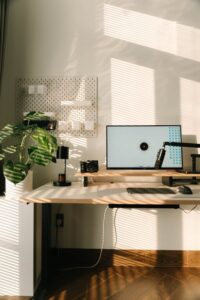
Picking the best spot for your home office is the first step. Ideally, select a quiet area with plenty of natural light. Natural light helps improve mood and focus, so position your desk near a window if possible. If natural light is limited, invest in good-quality lighting that mimics daylight.
Consider Privacy and Noise Levels
Make sure your chosen space minimizes distractions. If you live with others, try to find a room with a door or use room dividers to create separation. Noise-canceling headphones can also help maintain concentration in louder environments.
Invest in Comfortable and Functional Furniture
Comfort is key when you spend hours working at your desk. Look for an ergonomic chair that supports your posture to avoid discomfort. A desk with enough surface area to hold your computer, notes, and other essential items will keep things organized and within reach.
Add Soft Textiles
Incorporating soft elements like cushions, throws, or a small rug can instantly make your workspace feel cozier. Choose fabrics in soothing colors or interesting textures to add warmth.
Personalize Your Space
Make your office feel uniquely yours by adding personal touches. Family photos, favorite artwork, or inspirational quotes can boost your mood and motivation. Just be careful not to overcrowd your space; keep decorations simple and meaningful.
Plants for Freshness and Calm
Adding greenery brings life into your home office and can improve air quality. Choose low-maintenance plants like succulents or pothos to brighten the room and create a calming environment.
Organize to Reduce Clutter
A clutter-free workspace helps clear your mind and increases productivity. Use shelves, filing cabinets, or desk organizers to keep documents and supplies neatly stored.
Use Cable Management Solutions
Tangled cords can make a workspace look chaotic. Cable clips, sleeves, or boxes are affordable solutions to keep wires under control.
Select a Calming Color Palette
Colors affect mood more than many realize. Soft, neutral tones like beige, light gray, or pastel shades create a serene backdrop. If you prefer something more energizing, incorporate bold colors in small accents through accessories or wall art.
Lighting: Balance Between Function and Ambiance
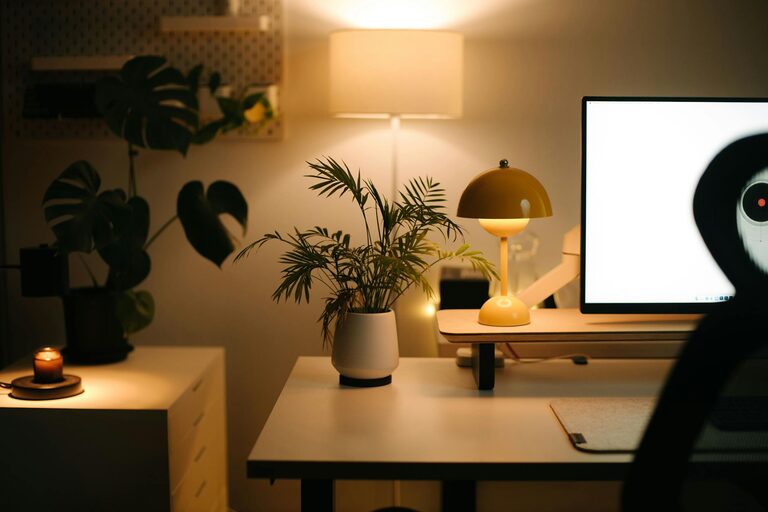
Good lighting is essential for productivity and comfort. Combine an overhead light with a desk lamp that offers adjustable brightness. Using warm light bulbs can create a more relaxing atmosphere.
Incorporate Functional Technology
Ensure you have all the necessary technology to work efficiently, such as a reliable computer, printer, and high-speed internet. Keeping devices updated and in good condition prevents frustration and downtime.
Take Breaks and Make Space for Movement
Even with a perfect office, it’s important to move and take breaks throughout the day. If space allows, include an area for stretching or brief exercises. A small yoga mat or standing desk converter can encourage healthy habits.
Keep It Simple and Adaptable
Your needs may change over time, so design your office to be flexible. Avoid heavy, bulky furnishings that are hard to rearrange. Modular furniture or lightweight storage solutions allow you to easily adapt your space as required.
—
By applying these tips, you can create a home office space that feels cozy and inviting, helping you stay focused and comfortable long after the workday ends. Remember, the best workspace reflects your personality and supports your daily routine with ease and warmth.