Creating a calm and productive home office environment is essential for anyone working remotely or managing tasks from home. A well-designed workspace can improve focus, reduce stress, and increase your overall efficiency. Whether you have a dedicated room or a small corner, these tips will help you set up an office that inspires calm and productivity.
Why a Calm Home Office Matters
Working from home offers flexibility, but it also comes with distractions. A cluttered or chaotic workspace can negatively affect your concentration and motivation. By creating a calm environment, you promote mental clarity and establish a clear boundary between work and personal life.
Choose the Right Location
Selecting the ideal spot for your home office is the foundation of a calm workspace.
– Quiet and Private: Pick an area away from household noise and foot traffic to minimize interruptions.
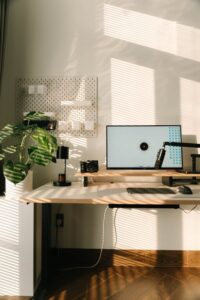
– Natural Light: Position your desk near a window if possible. Natural light boosts mood and energy.
– Ventilation: Fresh air helps maintain alertness, so avoid cramped or stuffy spaces.
– Comfortable Size: Ensure there’s enough room for your equipment and movement without feeling crowded.
Invest in Comfortable and Functional Furniture
Comfort plays a huge role in maintaining focus during long work hours.
– Ergonomic Chair: Choose a chair that supports your back and encourages good posture.
– Desk at Proper Height: Your desk should allow your arms to rest comfortably while typing.
– Adjustable Components: Consider accessories like monitor stands or keyboard trays to reduce strain.
– Decluttered Surfaces: Keep your desk clear except for essentials to minimize distractions.
Organize Your Space Efficiently
An organized environment reduces stress and saves time searching for items.
– Storage Solutions: Use shelves, drawers, or bins to keep documents and supplies tidy.
– Cable Management: Use clips or sleeves to keep cords neat and avoid tangles.
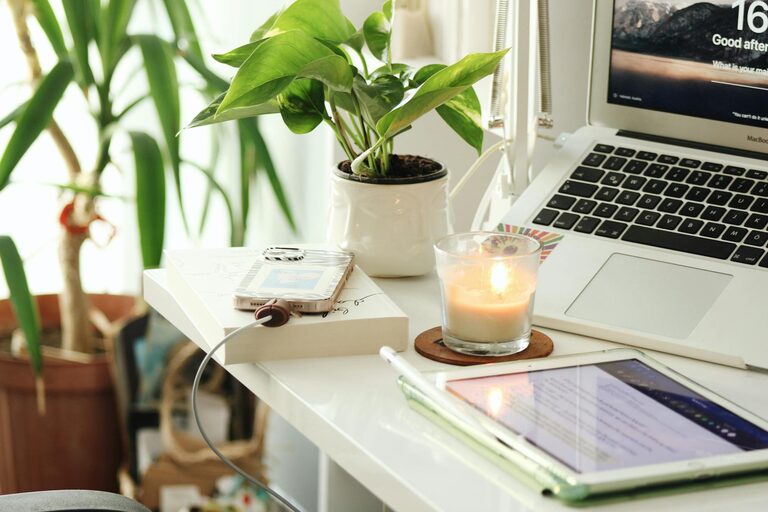
– Minimal Decoration: Add only a few personal touches like plants or photos to keep the space welcoming but not overwhelming.
– Digital Organization: Keep your computer desktop and files streamlined for easy access.
Use Calming Colors and Lighting
Your surroundings influence your mood and concentration.
– Soft, Neutral Colors: Shades like blues, greens, or light grays promote calmness.
– Avoid Harsh Lighting: Use adjustable lamps or diffused light to reduce eye strain.
– Ambient Light: Incorporate soft lighting options, such as floor lamps or fairy lights, for a cozy feel.
– Natural Elements: Adding plants or natural textures can create a soothing atmosphere.
Set Boundaries and Routines
Productivity increases when your workspace signals it’s “work time.”
– Work Hours: Set clear start and end times to avoid overworking.
– Break Space: If possible, separate an area for breaks to recharge mentally.
– Noise Control: Use noise-cancelling headphones or play calming background music if needed.
– Dress Code: Changing into work clothes can psychologically prepare you for a productive day.
Incorporate Tools That Support Focus
Technology and tools should aid, not hinder, your workflow.
– Task Management Apps: Keep track of projects and deadlines.
– Timers or Pomodoro Technique: Break work into focused intervals with scheduled breaks.
– White Noise Machines: Help mask distracting sounds.
– Ergonomic Accessories: Wrist rests, laptop stands, and external keyboards improve comfort.
Keep Your Workspace Clean Daily
Maintaining a tidy desk promotes mental clarity.
– End-of-Day Routine: Spend a few minutes organizing your desk before finishing work.
– Regular Deep Cleaning: Wipe surfaces and dust equipment weekly.
– Declutter Frequently: Remove unnecessary items and papers regularly.
Prioritize Personal Well-being
Your environment should support not only work but also your overall well-being.
– Hydration Station: Keep a water bottle or cup nearby.
– Healthy Snacks: Have nutritious options accessible to avoid unhealthy eating.
– Stretch Breaks: Incorporate short stretches to relieve tension.
– Natural Scents: Use essential oils or candles like lavender for relaxation.
Final Thoughts
Designing a calm and productive home office is about balance. By combining thoughtful organization, comfort, and personal touches, you create a space that supports your best work. Take the time to tailor your environment to your needs — small changes can lead to big improvements in your productivity and peace of mind.