Creating a home office that is both comfortable and productive can significantly improve your work-from-home experience. Whether you’re new to remote work or have been at it for a while, designing a space that supports focus, creativity, and well-being is essential. Here are some helpful tips to guide you in crafting an ideal home office.
Choose the Right Location
Selecting the right spot for your home office is the first step toward productivity. Consider these factors:
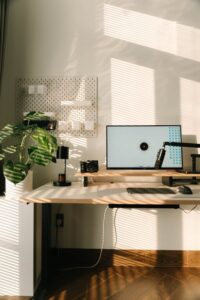
– Natural Light: Position your desk near a window to benefit from natural light. It reduces eye strain and keeps you energized.
– Quiet Space: Find a quiet area where you can minimize distractions and concentrate on tasks.
– Separation: If possible, pick a space distinct from high-traffic or leisure areas to help create mental boundaries between work and home life.
Invest in Comfortable Furniture
Comfort is key when you spend long hours working. Prioritize ergonomic choices:
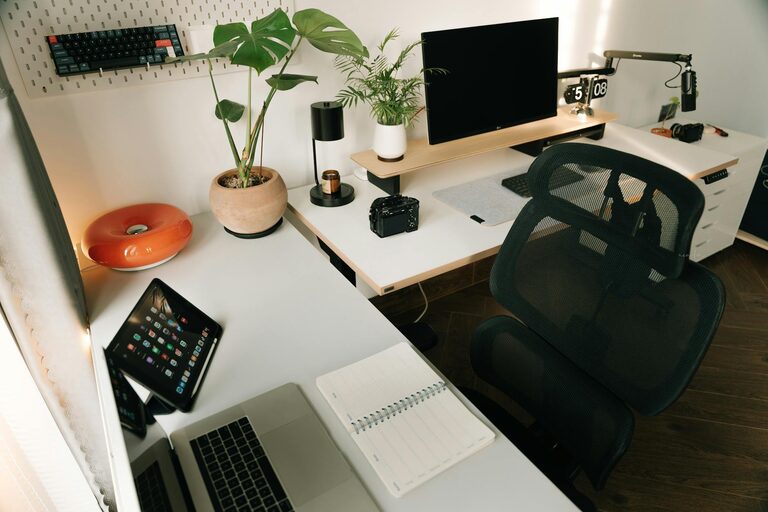
– Ergonomic Chair: Choose a chair that supports your posture with adjustable height, lumbar support, and cushioned seating.
– Desk Height: Your desk should allow you to keep your forearms parallel to the floor when typing.
– Optional Accessories: Footrests, wrist supports, or standing desk options can add to comfort and reduce strain.
Organize Your Workspace
A clutter-free space promotes focus and efficiency. Try these organization tips:
– Storage Solutions: Use shelves, drawers, and organizers to keep supplies tidy.
– Cable Management: Use clips or ties to keep cords neat and prevent tangles.
– Daily Routine: At the end of each day, spend a few minutes tidying your desk to start fresh the next morning.
Optimize Lighting
Good lighting reduces fatigue and improves mood:
– Layered Lighting: Combine ambient light (ceiling fixtures) with task lighting (desk lamps) for flexibility.
– Adjustable Lamps: Position lamps to avoid glare on screens and papers.
– Natural Light: Balance artificial lighting with natural light during daytime hours.
Personalize Your Space
Adding personal touches can boost your mood and motivation:
– Decor: Use artwork, plants, or photos that inspire you.
– Color Scheme: Choose colors that make you feel calm and focused—soft blues, greens, or neutrals are popular choices.
– Comfort Items: A cozy throw blanket, cushions, or a small diffuser with your favorite scent can enhance your environment.
Minimize Distractions
To maintain productivity, limit interruptions:
– Technology: Use noise-canceling headphones if you have background noise.
– Phone Settings: Put your phone on “Do Not Disturb” during focused work periods.
– Schedule: Communicate your working hours with family or housemates to set expectations.
Maintain Good Air Quality and Temperature
A comfortable environment includes fresh air and pleasant temperature:
– Ventilation: Open windows when possible or use air purifiers.
– Temperature Control: Use fans, heaters, or adjust HVAC settings to keep the room comfortable.
– Plants: Incorporate indoor plants to improve air quality and add a natural element.
Create a Routine and Set Boundaries
A defined routine helps separate work time from relaxation:
– Work Hours: Stick to consistent start and end times.
– Breaks: Schedule short, regular breaks to stretch and recharge.
– Workspace Use: Avoid using your home office for non-work activities if possible.
Utilize Technology Wisely
Equip your space with tools to enhance efficiency:
– Reliable Internet: Ensure your internet connection is stable for video calls and online tasks.
– Quality Hardware: Invest in a good monitor, keyboard, and mouse to reduce strain.
– Backup Solutions: Use cloud storage or external drives to keep your work safe.
Keep Your Workspace Flexible
Your needs may change, so make your office adaptable:
– Modular Furniture: Use pieces that can be rearranged easily.
– Multi-Purpose Areas: Incorporate space for meetings, brainstorming, or relaxation.
– Standing Desk Options: Alternate between sitting and standing to improve health.
—
Designing a home office that balances comfort and productivity takes some planning but is well worth the effort. By choosing the right location, investing in ergonomic furniture, organizing your space, and setting healthy routines, you can create an environment that supports your work and well-being. Remember, a pleasant workspace can make your workday enjoyable and more effective.