Creating a home office that feels both cozy and productive can transform the way you work. Whether you’re working remotely, freelancing, or managing household tasks, a well-designed space helps you stay focused and comfortable throughout the day. Here are some practical tips to help you set up a home office that you’ll love spending time in.
Choose the Right Location
Consider Natural Light
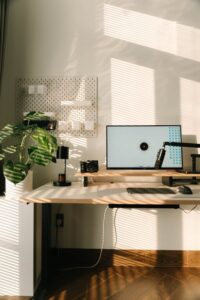
A well-lit space improves mood and reduces eye strain. Position your desk near a window to take advantage of natural daylight. If natural light is limited, invest in good quality artificial lighting that mimics daylight.
Minimize Distractions
Select a quiet spot away from heavy foot traffic or noisy appliances. A corner in a spare room or a section of your living room can become your workspace if it’s free from constant interruptions.
Invest in Comfortable and Functional Furniture
Ergonomic Chair and Desk
Comfort is key for long hours of work. Choose an ergonomic chair that supports your back properly and a desk at the right height to prevent strain. Adjustable furniture can allow you to switch between sitting and standing.
Adequate Surface Space
Make sure your desk is large enough for your computer, documents, and any tools you regularly use. An uncluttered surface helps maintain focus and efficiency.
Organize Your Space Efficiently
Storage Solutions
Keep your office tidy with shelves, drawers, and organizers. Use baskets, trays, and file holders to store supplies neatly and keep them easy to find.
Cable Management
Tidy cables improve safety and aesthetics. Use cable clips, covers, or boxes to keep cords organized and out of sight.
Personalize Your Workspace
Add Soft Textiles
Throw pillows, rugs, or a cozy blanket can make your office feel welcoming and warm, especially in cooler months.
Incorporate Plants
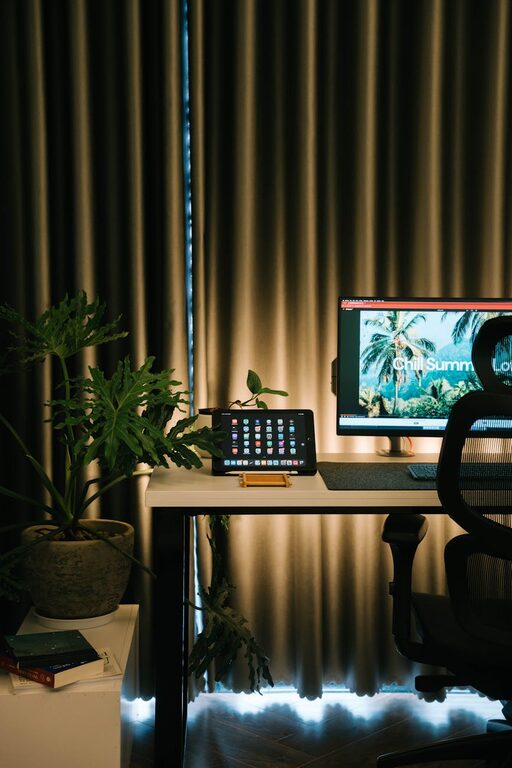
Greenery can improve air quality and add a calming touch. Choose low-maintenance plants like succulents, pothos, or snake plants that thrive indoors.
Use Artwork and Photos
Display inspiring artwork or personal photos to create a space that reflects your personality and motivates you.
Optimize for Productivity
Create a Dedicated Work Zone
Avoid working from your bed or couch. Having a dedicated office area helps your brain associate that space with work, improving focus.
Set Boundaries and Routine
Establish work hours and communicate them with family or housemates. A consistent routine helps maintain work-life balance.
Use Task Lighting
In addition to overhead light, add a desk lamp to illuminate your work area without causing glare on your screen.
Control Noise Levels
Soundproofing Options
Use rugs, curtains, and soft furnishings to absorb sound. If noise is unavoidable, consider noise-canceling headphones to minimize distractions.
Background Noise
Some people find that gentle background music or white noise helps concentration. Experiment to see what works best for you.
Keep Technology Up to Date
Reliable Equipment
Ensure your computer, internet connection, and peripherals are up to date to prevent disruptions. Invest in a quality keyboard and mouse for comfort.
Use Productivity Tools
Apps and software that help with time management, task organization, and communication can make your work more efficient.
Maintain Good Air Quality and Temperature
Ventilation
Regularly open windows or use air purifiers to keep fresh air circulating.
Temperature Control
Use fans, heaters, or an adjustable thermostat to maintain a comfortable temperature, helping you stay focused.
—
Final Thoughts
Designing a cozy and productive home office doesn’t require a huge budget. Start with simple changes like decluttering, improving lighting, and adding personal touches. Over time, refine your space to fit your work style and preferences. A comfortable, organized office can greatly enhance your daily work experience and overall well-being.