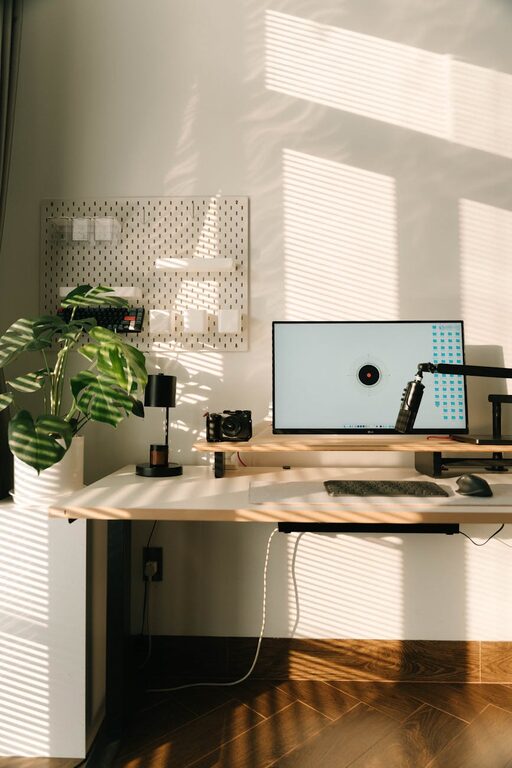
Creating a relaxing home workspace is essential for maintaining productivity and reducing stress, especially when working remotely. A thoughtfully designed area can make it easier to concentrate, complete tasks efficiently, and feel more comfortable throughout your workday. Here are practical tips to help you transform your home office into a peaceful, productive zone.
Choose the Right Location
Your workspace location plays a significant role in your ability to focus. Ideally, pick a quiet spot away from household noise and distractions. If possible, select a space with natural light, which can improve mood and energy levels. This could be a spare room, a corner of your living room, or even a nook near a window.
Consider Privacy and Separation
Creating a physical boundary between your work and living areas helps your mind switch into “work mode.” If space is limited, use room dividers, curtains, or bookshelves to create a sense of separation.
Invest in Comfortable and Functional Furniture
Comfort directly impacts your productivity and well-being. An ergonomic chair that supports your posture reduces the risk of back pain. Pair it with a desk at the right height for you to keep wrists and arms relaxed while typing.
Essential Furniture Items:
– Ergonomic office chair
– Desk with enough surface area
– Adjustable monitor stand or laptop stand
– Footrest if needed
Optimize Lighting
Good lighting reduces eye strain and keeps you alert. Whenever possible, position your desk near a source of natural light. On darker days or during evening hours, use a desk lamp with adjustable brightness and color temperature. A soft, warm light can create a relaxing atmosphere, while a cooler, brighter light helps with focus during intense work sessions.
Declutter and Organize
A messy workspace can distract and stress you. Keep your desk clean by organizing supplies and paperwork in drawers, shelves, or storage boxes. Use cable organizers to manage cords neatly. Consider digitizing documents to reduce physical clutter.
Add Personal and Calming Touches
Bringing elements of comfort and personality into your workspace can make you feel more relaxed and motivated. However, avoid overloading the space with items that may distract you.
Ideas to Create a Soothing Atmosphere:
– Small indoor plants to improve air quality and mood
– Artwork or photos that inspire you
– A diffuser with calming essential oils like lavender or peppermint
– A cozy throw blanket or cushion
Maintain a Comfortable Temperature and Air Quality
An environment that’s too hot, cold, or stuffy can reduce productivity. Try to keep your workspace at a comfortable temperature and ensure proper ventilation. Opening a window occasionally or using an air purifier can help maintain fresh air.
Establish a Routine and Break Areas
Even in a relaxed setting, structure helps productivity. Set up routines for starting and ending your workday, and designate short breaks away from your desk. This can refresh your mind and prevent burnout.
If possible, create a separate spot for breaks—like a cozy chair or a balcony—so that you can fully disconnect during these times.
Manage Noise Levels
Background noise can be a distraction or a comfort, depending on your preferences. If you’re in a noisy environment, consider:
– Noise-canceling headphones
– Playing ambient music or white noise
– Using a sound machine
On the other hand, some people thrive in quiet spaces, so choose what suits you best.
Use Technology to Your Advantage
Leverage productivity and relaxation tools to keep focus without feeling overwhelmed. Examples include:
– Task management apps to organize your day
– Timers for the Pomodoro technique (working in focused intervals)
– Apps with guided meditation or breathing exercises for breaks
Keep Cords and Devices Organized
Messy cables can create visual clutter and hinder your ability to relax. Use cord clips, sleeves, or under-desk trays to keep wires out of sight. Make sure your devices are fully charged before starting work to avoid interruptions.
—
Final Thoughts
Creating a relaxing home workspace isn’t just about looks; it’s about designing a space that supports your work habits while promoting calm and focus. By choosing the right location, investing in comfortable furniture, managing lighting and noise, and organizing your environment, you can build a productive space that feels good to spend time in every day.
Remember, your ideal workspace reflects your unique needs and preferences, so feel free to experiment and adjust as you find what works best for you.