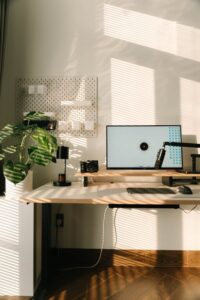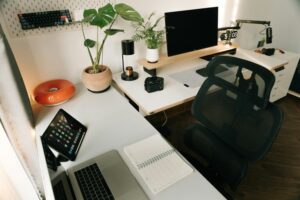
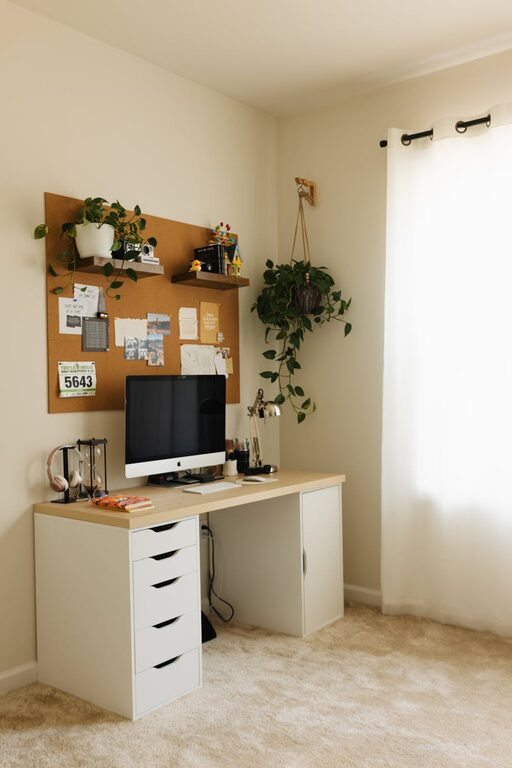
Creating a home office that feels both cozy and productive can make a big difference in how you work and enjoy your time at home. Whether you’re working remotely, freelancing, or managing personal projects, a well-designed workspace helps improve focus, reduce stress, and boost creativity.
In this post, we’ll explore practical tips to help you create a home office space that balances comfort with efficiency, so you can get more done without sacrificing your wellbeing.
Choose the Right Location
Finding the perfect spot in your home for your office is the first step. Here’s what to consider:
– Natural Light: Aim for a space that receives plenty of natural sunlight. It helps to improve mood and reduces eye strain.
– Away From Distractions: Try to pick a quiet corner, away from TV noise, household activity, or frequent foot traffic.
– Space Needs: Make sure the area is large enough to fit your desk, chair, and any other equipment or materials you need without feeling cramped.
Invest in Comfortable and Functional Furniture
Your furniture affects both your comfort and productivity throughout the day.
– Ergonomic Chair: Choose a chair with good back support and adjustable features to maintain healthy posture.
– Desk Size: A desk with enough space for your computer, notebook, and some additional items helps keep your work organized.
– Multi-functional Furniture: Consider desks with built-in storage or shelves to reduce clutter.
Keep Your Workspace Organized
An organized workspace minimizes distractions and helps you focus.
– Declutter Regularly: Remove unnecessary items from your desk to keep it tidy.
– Storage Solutions: Use drawers, organizers, or boxes to manage documents and office supplies.
– Cable Management: Use cable clips or sleeves to keep cords neat and untangled.
Personalize Your Space
Adding personal touches makes your office feel welcoming and motivates you to spend time there.
– Plants: Indoor plants add color and improve air quality.
– Artwork or Photos: Display images that inspire you or bring positive memories.
– Soft Textiles: A cozy rug, cushions, or a throw blanket can add warmth.
Use Proper Lighting
Good lighting is essential for reducing eye strain and keeping you alert.
– Combining Light Sources: Mix natural light with overhead lighting and task lamps.
– Adjustable Lighting: Use lamps with dimmer switches or adjustable brightness for different times of day.
– Avoid Glare: Position computer screens and lights to minimize reflections.
Set Up Technology Thoughtfully
Ensure your tech setup supports your work without causing frustration.
– Reliable Internet: Prioritize a fast and stable connection.
– Quality Equipment: Invest in a good keyboard, mouse, headset, or webcam if needed.
– Monitor Height: Position monitors at eye level to avoid neck strain.
Create Boundaries Between Work and Relaxation
It’s important to mentally separate your work time from your personal life, especially at home.
– Defined Workspace: Use a distinct area or room exclusively for work.
– End-of-Day Routine: Develop habits that signal the end of your workday, like shutting down your computer or tidying your desk.
– Break Times: Schedule short breaks to stretch or relax.
Maintain Good Air Quality and Temperature
A comfortable environment includes fresh air and ideal temperature.
– Ventilation: Open windows when possible or use air purifiers.
– Temperature Control: Use fans, heaters, or air conditioning to keep your office cozy year-round.
Incorporate a Variety of Work Modes
Sometimes, changing how or where you work within your office can boost creativity and reduce fatigue.
– Standing Desk: Consider a desk that allows you to alternate between sitting and standing.
– Creative Corners: Set up a small area for brainstorming or sketching ideas.
– Comfortable Seating: Include a chair or bean bag for reading or taking breaks.
Keep It Simple and Adaptable
Your home office should evolve with your needs.
– Avoid overcrowding the space.
– Be open to rearranging furniture or swapping out items.
– Regularly review what’s working well and what could be improved.
—
Building a cozy and productive home office doesn’t require a big budget or a large room. By focusing on comfort, organization, and creating an inviting atmosphere, you can design a space where work feels less like a chore and more like a part of your daily routine you look forward to.
Remember, the best home office is one that supports your unique work style and makes you feel good throughout the day. Happy decorating!