Creating a relaxing home office environment is essential for maintaining focus, reducing stress, and boosting productivity. With many people working from home more than ever, having a space that supports your best work habits while also providing comfort is key. Here are some practical tips to help you design a home office that feels both calming and efficient.
Choose the Right Location
Find a Quiet Spot
Select a space in your home that is relatively quiet and free from frequent distractions. This might be a spare room, a corner in your bedroom, or even a section of the living room. The goal is to have a defined area that separates work from personal life.
Consider Natural Light
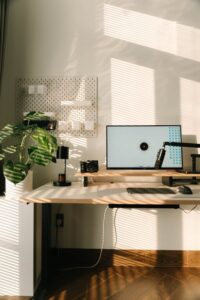
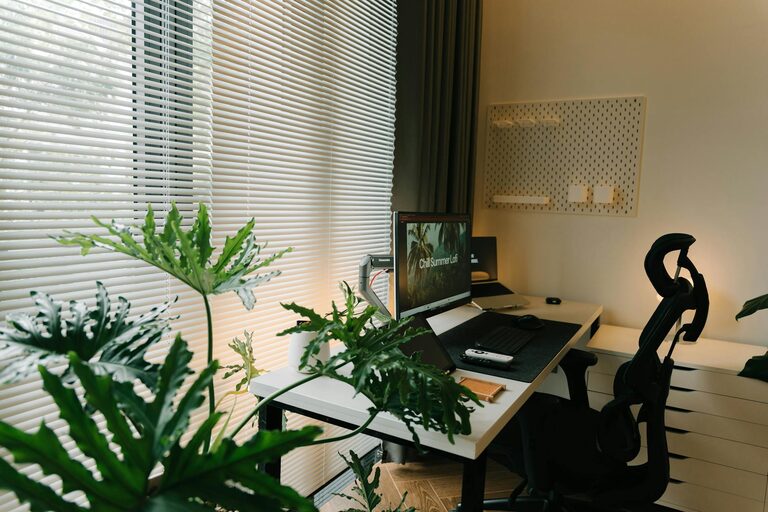
If possible, place your desk near a window. Natural light can improve mood and reduce eye strain. Make sure your workspace gets enough light during the day, but avoid direct glare on your computer screen.
Declutter and Organize
Keep Surfaces Clear
A cluttered desk can cause stress and make it harder to focus. Keep only the essentials on your desk, such as your computer, a notebook, and a few pens.
Use Storage Solutions
Invest in shelves, drawers, or organizers to store documents, cables, and office supplies out of sight. Labeling storage containers can save time when searching for items.
Establish a Filing System
Set up a simple, easy-to-maintain filing system for your paperwork. Whether digital or physical, organizing your files can increase efficiency and reduce overwhelm.
Ergonomic Furniture and Setup
Comfortable Chair
Choose a chair that supports good posture. Adjustable chairs that support your lower back can prevent discomfort during long hours of work.
Desk Height and Positioning
Your desk should allow your arms to rest comfortably while typing. Position your monitor at eye level to avoid neck strain.
Add a Footrest
If your feet do not naturally rest flat on the floor, consider using a footrest. Small adjustments like this can make a big difference in comfort.
Incorporate Calming Elements
Use Soft Colors
Paint your office walls in calming colors like soft blues, greens, or neutrals. These tones can help reduce anxiety and promote concentration.
Bring in Plants
Adding a few indoor plants can improve air quality and create a sense of tranquility. Plants like snake plants or pothos are easy to care for.
Add Personal Touches
Include items that make you feel relaxed, such as framed photos, artwork, or decorative pieces. Just be careful not to overcrowd the space.
Manage Noise Levels
Use Noise-Canceling Headphones
If ambient noise is unavoidable, noise-canceling headphones can help you focus.
Play Ambient Sounds
Some people find that background sounds like white noise, nature sounds, or soft music improve concentration. Experiment to see what works best for you.
Optimize Lighting
Task Lighting
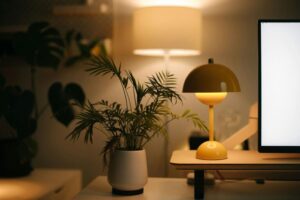
In addition to natural light, use a desk lamp to provide extra illumination when needed. Adjustable lamps allow you to direct light where it’s most helpful.
Avoid Harsh Lighting
Fluorescent lights can be harsh and tiring. Use bulbs with a warm color temperature for a more pleasant work environment.
Establish Boundaries and Routine
Set Work Hours
Define your working hours to create a routine. Having a clear start and end time helps maintain balance.
Take Breaks
Taking short, regular breaks boosts productivity and reduces fatigue. Step away from your desk for a few minutes each hour.
Limit Distractions
Turn off non-work-related notifications and create a “do not disturb” sign if necessary, especially during meetings or focused work time.
Maintain Cleanliness
Regular Cleaning
Keep your workspace clean by wiping down surfaces and organizing files regularly.
Manage Cables
Use cable organizers or clips to keep cords tidy and prevent a messy appearance.
Use Technology Wisely
Invest in Quality Equipment
Reliable computer hardware, a good internet connection, and accessories like keyboards and mice designed for comfort can help you work without frustration.
Leverage Productivity Apps
Use digital tools that help you stay organized, manage tasks, and maintain focus.
—
By following these steps, you can create a relaxing home office environment that supports your productivity and overall well-being. Remember that your workspace should be a reflection of what makes you feel comfortable and empowered to work at your best. Take small steps to improve your office little by little, and enjoy the positive impact it has on your workday.