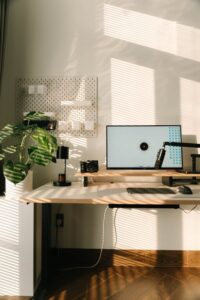
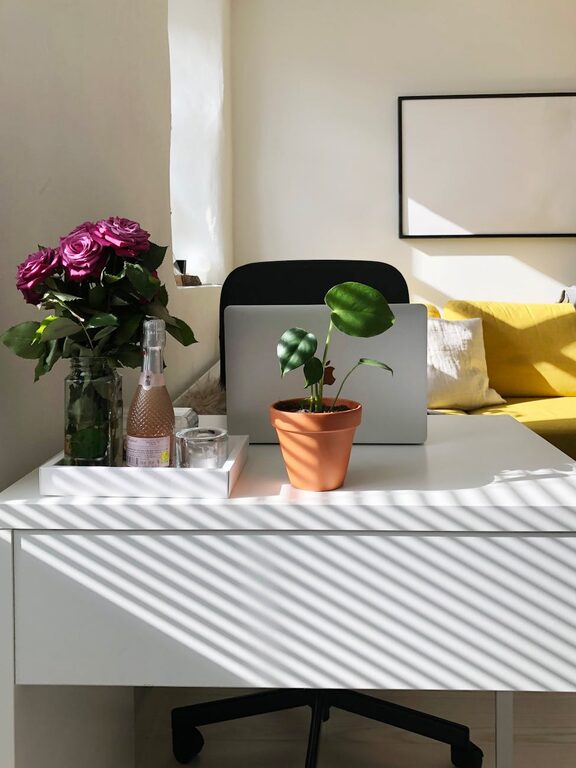
Creating a relaxing home workspace is essential for anyone looking to boost productivity while maintaining comfort throughout the workday. Whether you work remotely full-time or occasionally take your work home, a thoughtfully arranged workspace can make a significant difference in your focus, motivation, and well-being. In this guide, we’ll explore practical tips on how to design a calming and efficient home office that suits your needs.
Why a Relaxing Workspace Matters
A workspace that feels stressful or cluttered can lead to distractions, fatigue, and reduced efficiency. On the other hand, a relaxing environment helps you concentrate better, reduces anxiety, and encourages a positive mindset. Balancing productivity with comfort can help you sustain energy and creativity for longer periods.
Choosing the Right Location
The first step in setting up your home workspace is choosing the right spot. Consider the following factors:
– Natural Light: Whenever possible, select a space with plenty of natural light. Sunlight not only improves mood but also reduces eye strain.
– Noise Levels: Find a quiet corner of your home where distractions are minimal. If noise is unavoidable, noise-cancelling headphones or ambient sounds may help.
– Space Requirements: Ensure your workspace is big enough to accommodate your equipment and any essential supplies without feeling cramped.
Ergonomic Setup for Comfort and Health
Comfort is critical, especially if you spend long hours at your desk. An ergonomic setup helps prevent discomfort and potential health issues.
– Chair: Invest in an adjustable chair with good lumbar support. Your feet should rest flat on the floor, and your knees should bend at a 90-degree angle.
– Desk Height: Your desk should accommodate your chair height, allowing your wrists to stay straight while typing.
– Monitor Position: Position your computer screen at eye level to avoid neck strain. The top of the monitor should be at or slightly below eye level.
– Keyboard and Mouse: Use ergonomic keyboards and mice if possible. Keep them within easy reach to reduce strain on your wrists and shoulders.
Keep the Space Organized and Clutter-Free
A cluttered desk can undermine productivity and increase stress. Here are some organizing tips:
– Storage Solutions: Use shelves, drawers, or organizers to keep supplies and documents out of sight but within reach.
– Minimalism: Only keep essential items on your desk to avoid distractions.
– Cable Management: Use cable clips or sleeves to keep wires tidy and prevent tangling.
– Daily Clean-Up: Spend a few minutes at the end of each day clearing your workspace. A clean desk can help you start fresh the next morning.
Personalize Your Workspace Mindfully
Adding personal touches can make your workspace more inviting and motivating, but try to maintain balance.
– Plants: Small indoor plants improve air quality and create a calming environment.
– Art and Decor: Hang or place artwork that inspires or soothes you without overwhelming the space.
– Lighting: In addition to natural light, use adjustable desk lamps with warm light to reduce eye strain during evenings.
– Scent: Consider using a mild essential oil diffuser to create a pleasant atmosphere.
Incorporate Break Areas and Movement
Sitting for extended periods can affect your health and focus. Design your workspace to encourage movement:
– Standing Options: If possible, use a sit-stand desk or a high table to change positions.
– Stretching Space: Leave enough room nearby to perform simple stretches during breaks.
– Break Zone: Create a small area for relaxation—this could be a comfy chair or a corner with cushions where you can unwind briefly.
Use Technology to Support Relaxation
Technology can sometimes be a distraction, but it can also help with focus and comfort:
– Focus Apps: Use apps that promote concentration, such as timers or white noise generators.
– Blue Light Filters: Screen protectors or software that reduce blue light can help reduce eye strain.
– Voice Assistants: Utilize voice commands to manage tasks hands-free, reducing unnecessary movement.
Manage Temperature and Air Quality
A comfortable temperature and fresh air are vital for an inviting workspace:
– Temperature Control: Adjust the heating or cooling to suit your comfort level. Generally, keeping the room between 68-72°F (20-22°C) is ideal.
– Ventilation: Open windows regularly or use an air purifier to maintain air quality.
– Humidity: If air is dry, consider a small humidifier.
Establish a Routine to Maximize Productivity
Finally, your workspace is only as effective as the habits you build around it.
– Set Working Hours: Try to start and end your workday at consistent times.
– Plan Your Day: Use a planner or digital calendar to manage tasks and breaks.
– Avoid Multitasking: Focus on one task at a time to enhance quality and efficiency.
– Take Regular Breaks: Short breaks every hour can reduce fatigue and improve focus.
—
By taking the time to create a relaxing home workspace tailored to your needs, you can enjoy a more productive, comfortable, and enjoyable workday. Remember, the key is balancing functionality with comfort, so your workspace supports your best work and well-being. Start small by implementing a few of these tips, then adjust and personalize your space to find what works best for you. Happy working!